Material blending system
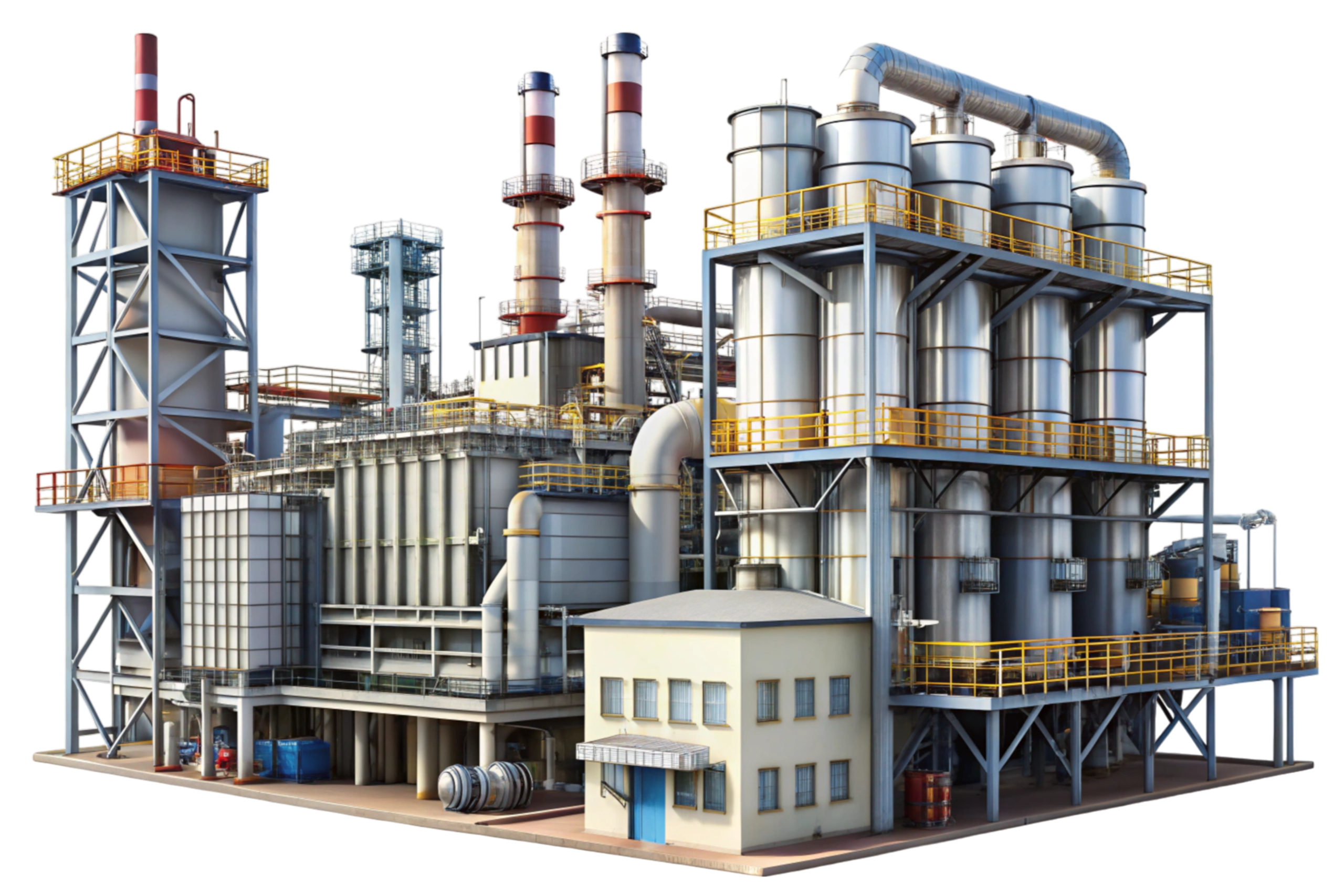
Material blending system: an engineered solution for achieving uniformity, quality, and productivity in industrial processes.
In many manufacturing industries, achieving a product with consistent quality and precise technical specifications depends on the proper performance of process equipment. One of the most critical components in production lines across various sectors is the material mixing system, which plays a pivotal role in ensuring the uniform, controlled, and precise blending of raw materials.
Leveraging engineering expertise, industrial experience, and a design-and-build approach to process equipment, Farayand Gostar Kimia Aras provides specialized solutions for the design and implementation of material mixing systems. These solutions enable diverse industries to optimize their production processes, achieving the highest levels of quality, efficiency, and operational control.
What is material blending system ?
A material mixing system is an assembly of mechanical, process, and control equipment designed to blend various materials uniformly and in accordance with standards. By establishing optimal conditions for mass transfer, effective particle distribution, and the thorough blending of components, these systems enable the production of a homogeneous product with consistent quality.
The mixing process may involve combining solids, liquids, powders, granules, pastes, or a combination of different phases. Consequently, designing an appropriate mixing system requires a precise understanding of the materials’ physical and chemical properties, process conditions, and production requirements.
Main components of the material mixing system
An industrial material mixing system typically consists of various components, each performing a specific function in the material blending process. The most important components of these systems are:
Mixing tank or chamber
The mixing tank is the primary vessel where the material blending process takes place. Its geometric design, material of construction, working volume, and internal conditions must be selected based on the specific materials and production process involved..
Agitator and Mixer Equipment
The agitator or mixer serves as the core component of the material mixing system. Factors such as impeller type, rotational speed, motor power, and mechanical design directly influence mixing quality.
Power Transmission System
This component is responsible for transferring mechanical energy from the motor to the mixing equipment and comprises the motor, gearbox, couplings, and related hardware.
Control and Automation System
In modern material mixing systems, the use of control equipment and industrial automation enables precise regulation of parameters such as speed, mixing duration, temperature, and process conditions.
The Importance of Material Mixing Systems Across Various Industries
In industrial processes, the final product quality is directly linked to the uniformity of raw materials. Employing a professional, engineered material mixing system offers numerous benefits, including:
Increased final product uniformity
Reduction of production errors and quality fluctuations
Lower consumption of raw materials and energy
Increased production process speed
Improved control of industrial processes
Reduced operating and maintenance costs
Enhanced production repeatability
A standard mixing system can play a pivotal role in boosting production line productivity and meeting the quality standards required by the industry.
Why is the choice of an engineered material mixing system important?
An inadequate material mixing system can lead to issues such as product inconsistency, extended production times, high energy consumption, and reduced final product quality.
Conversely, a system designed according to sound engineering principles not only enhances process quality but also extends equipment lifespan, minimizes production downtime, and generates long-term economic value for industrial enterprises.
Design and Manufacturing of Material Mixing Systems by Farayand Gostar Kimia Aras
Leveraging its engineering expertise and a deep understanding of industrial requirements, Farayand Gostar Kimia Aras specializes in designing and delivering tailored solutions for material mixing systems.
The company’s approach to equipment design is grounded in rigorous process analysis, the precise selection of mechanical components, the use of appropriate materials, and a focus on maximizing production efficiency.
The solutions provided by Farayand Gostar Kimia Aras are designed and implemented with the aim of achieving:
Stable equipment performance
Enhanced mixing process quality
Reduced production costs
Ease of operation and maintenance
Alignment with the specific needs of each industry